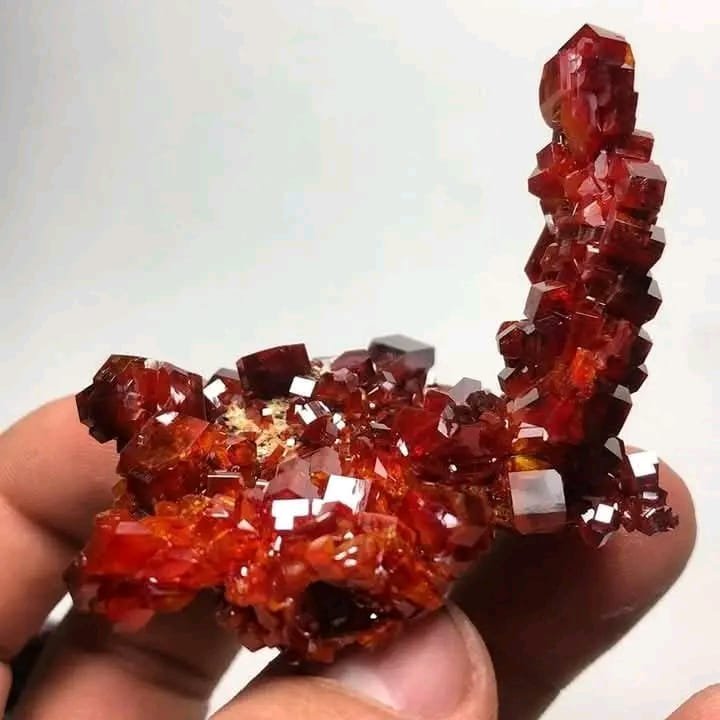
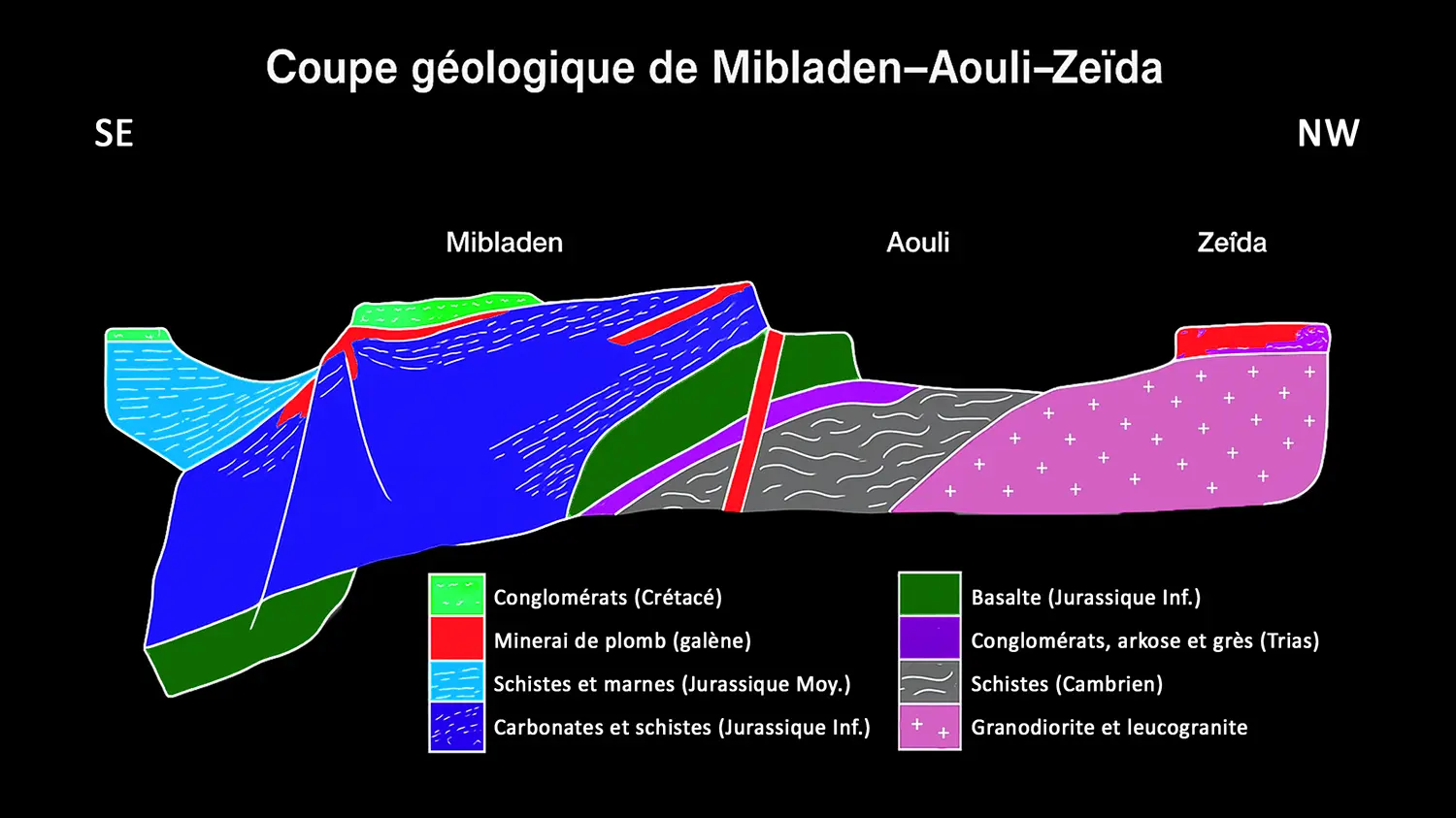
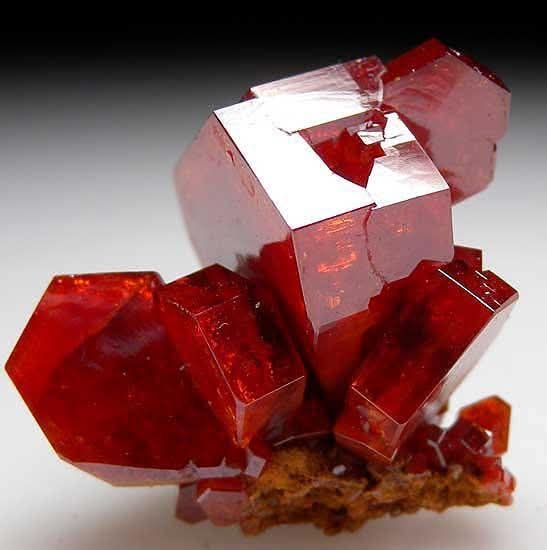
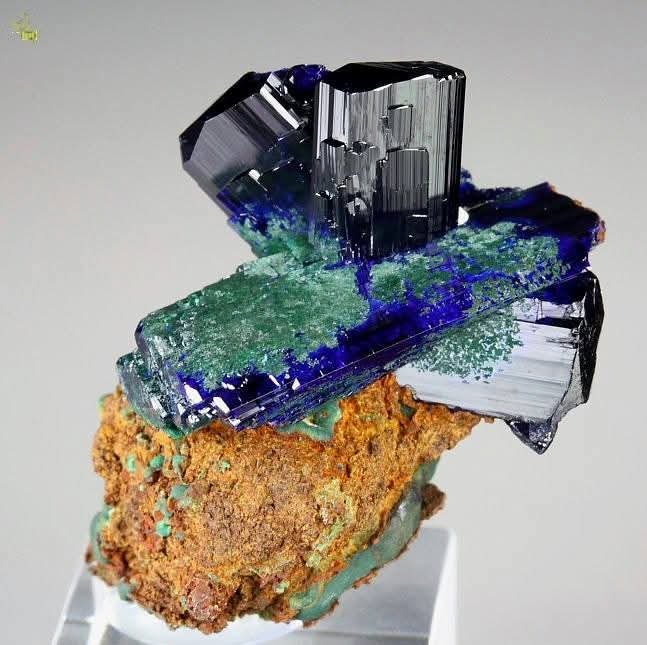
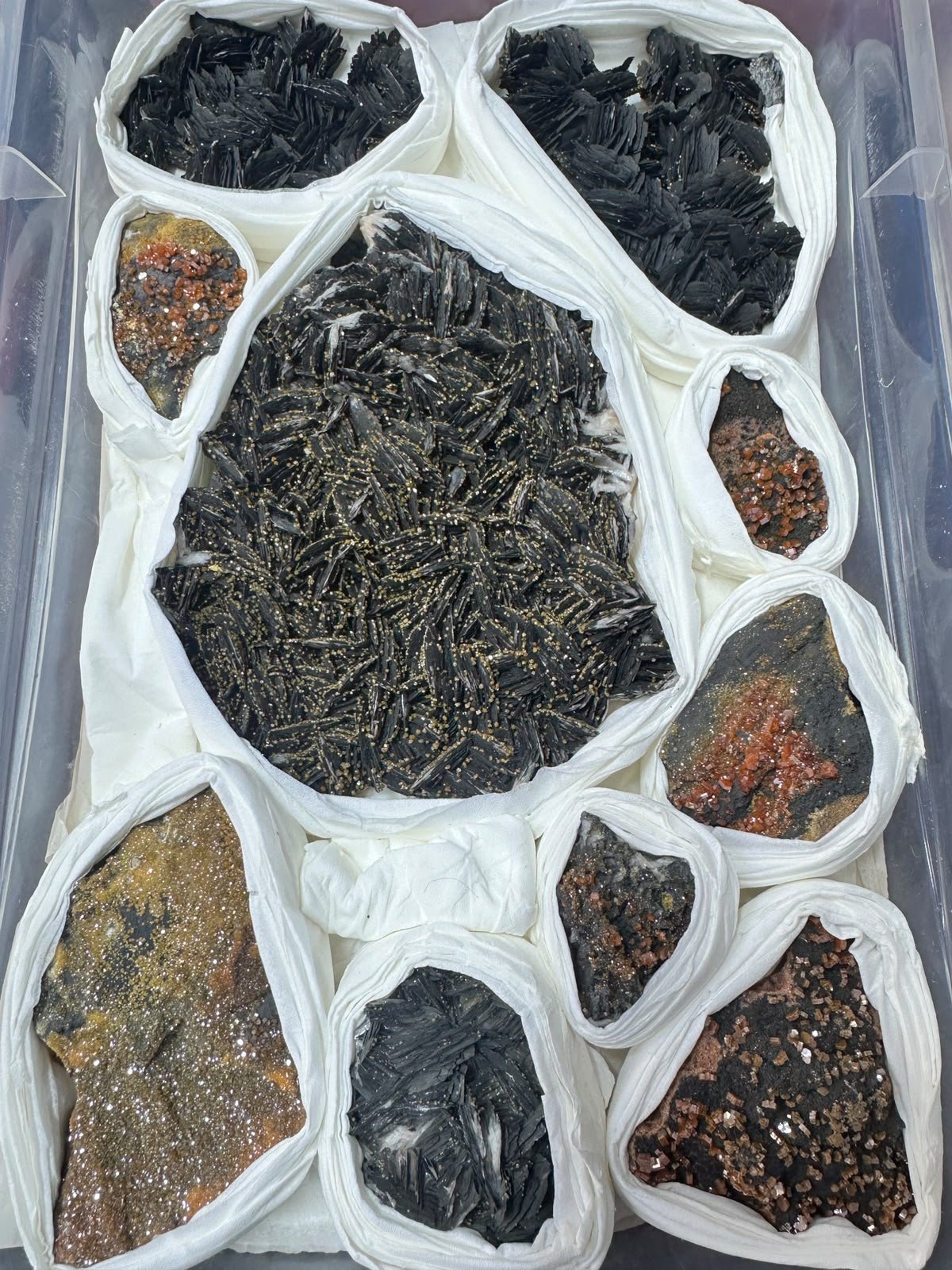
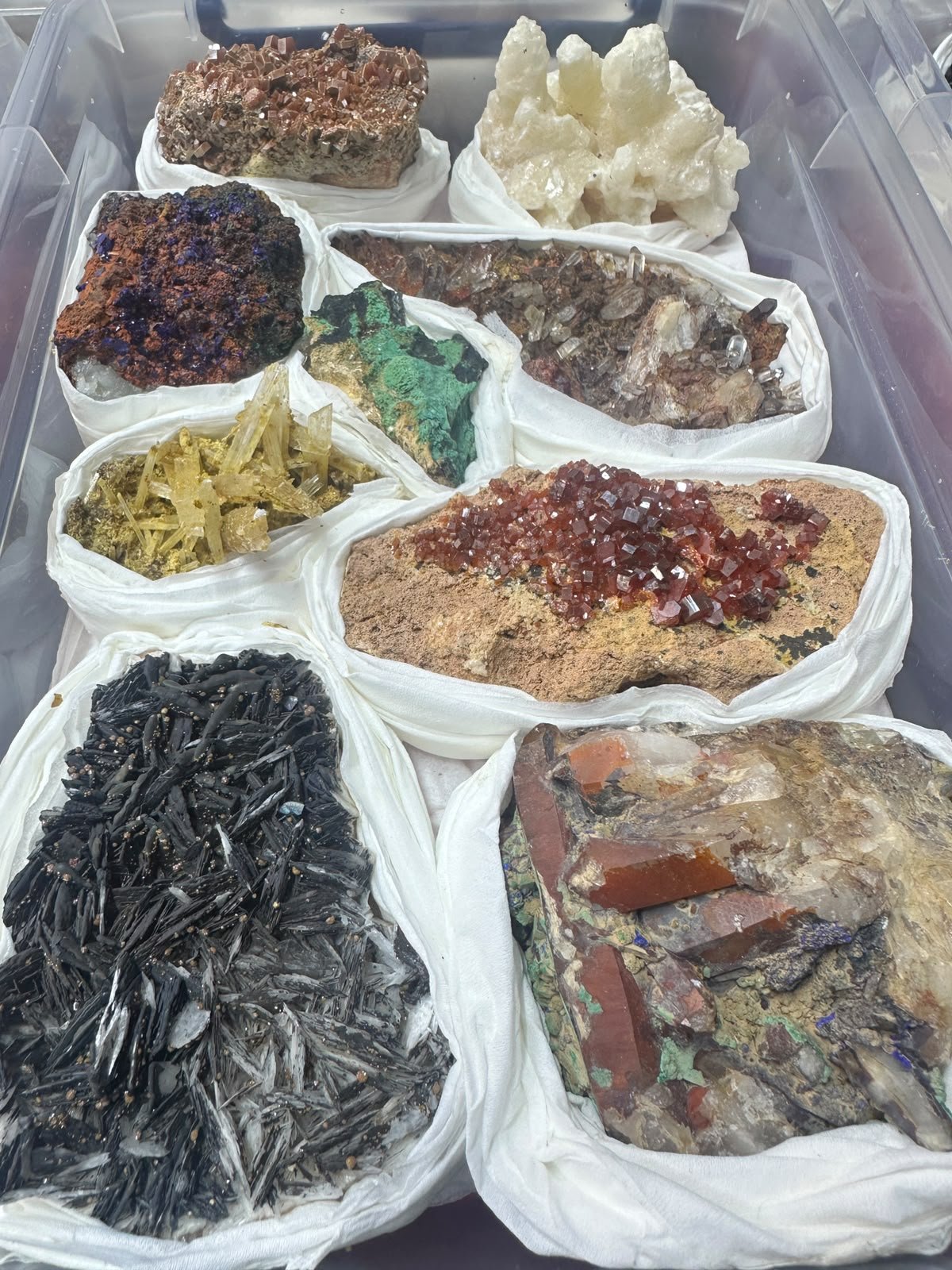
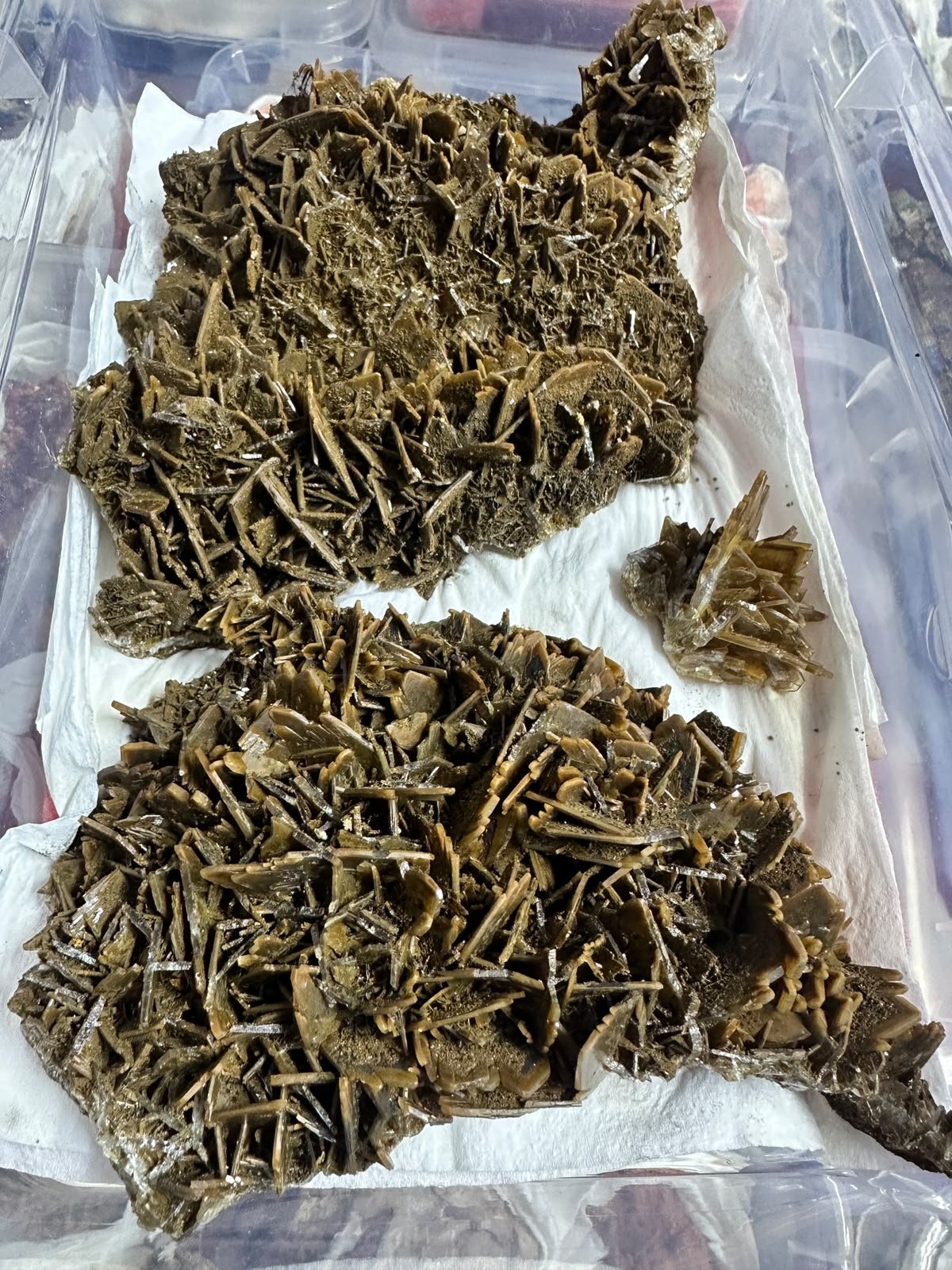
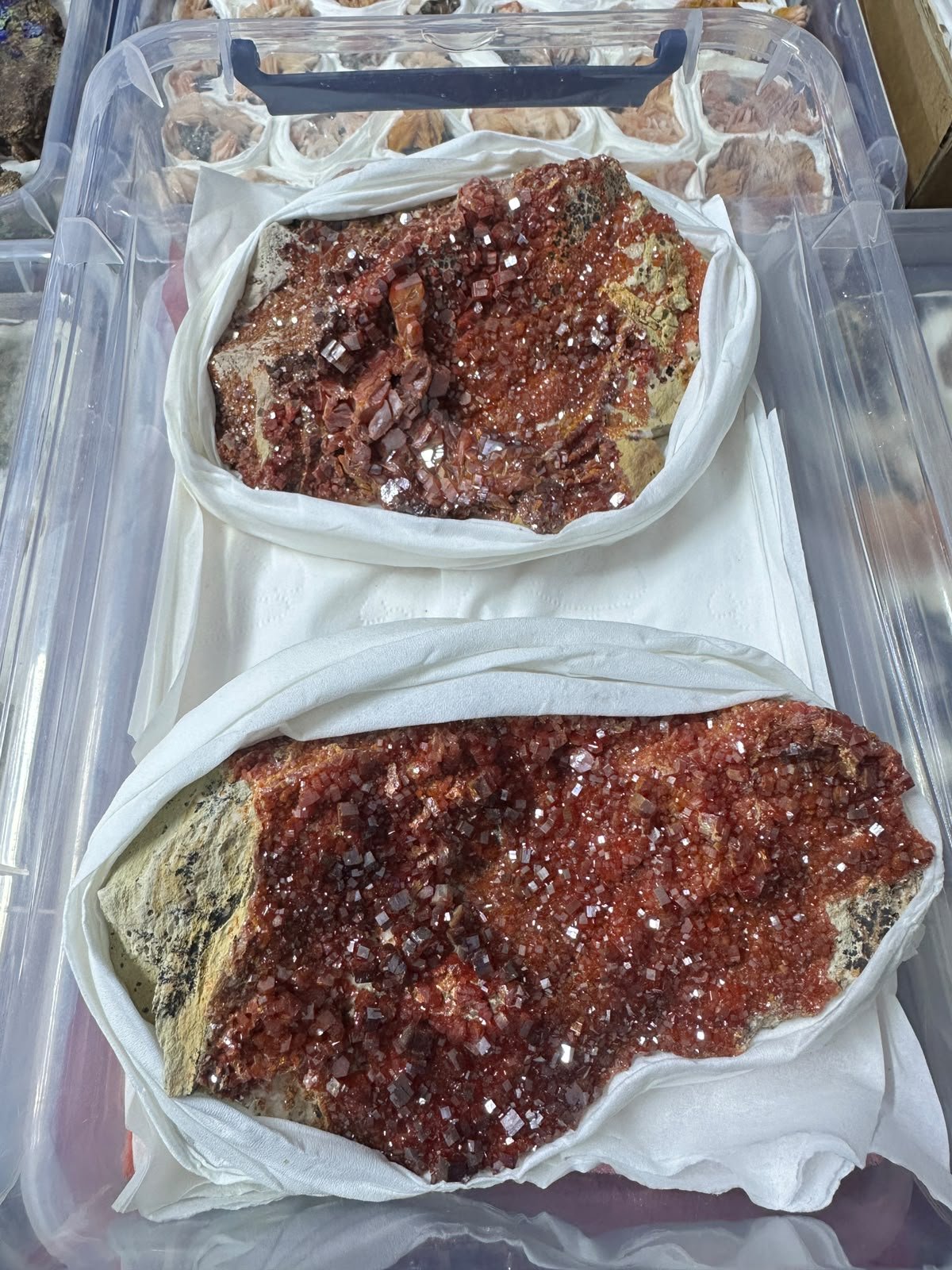
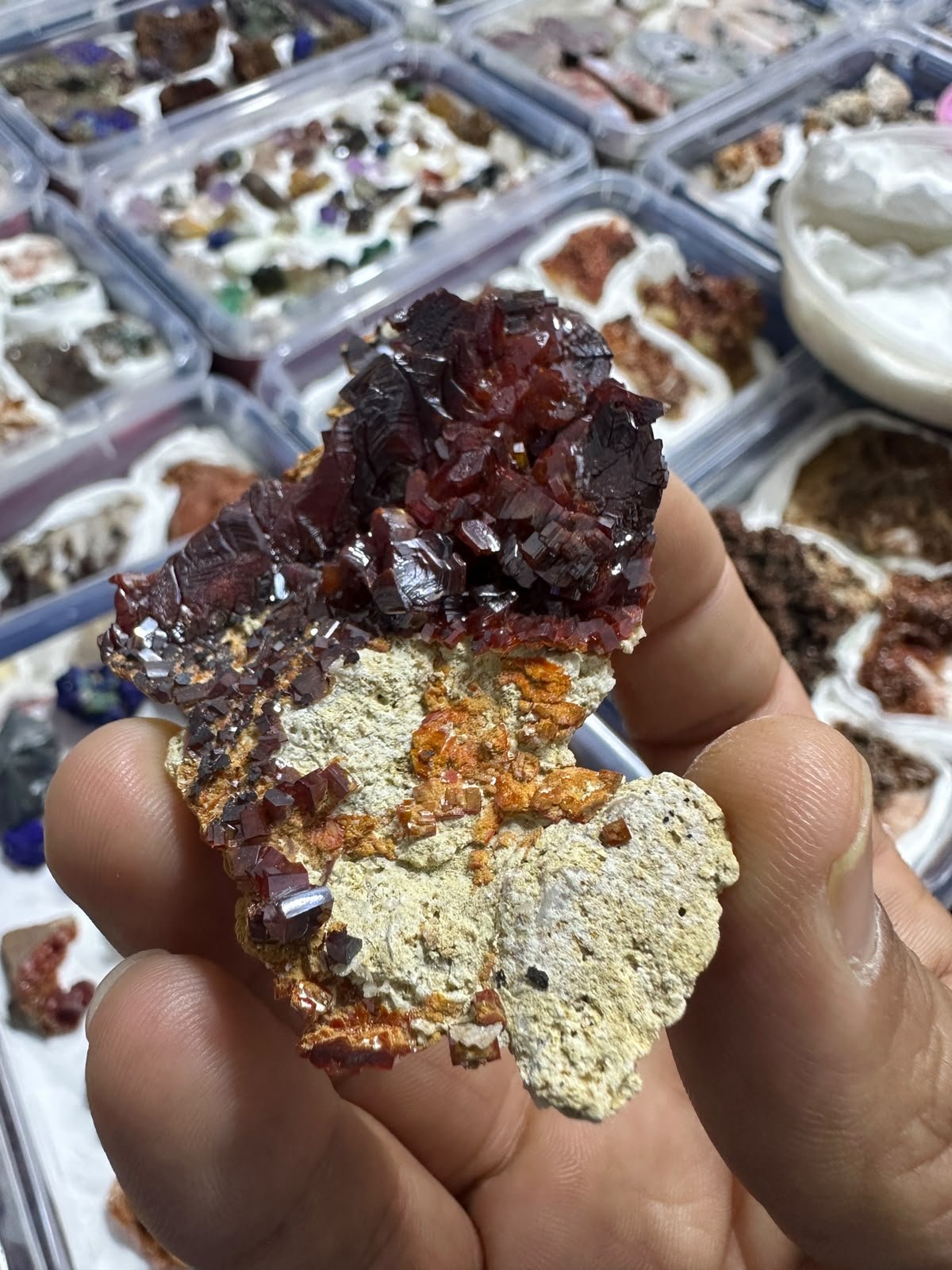
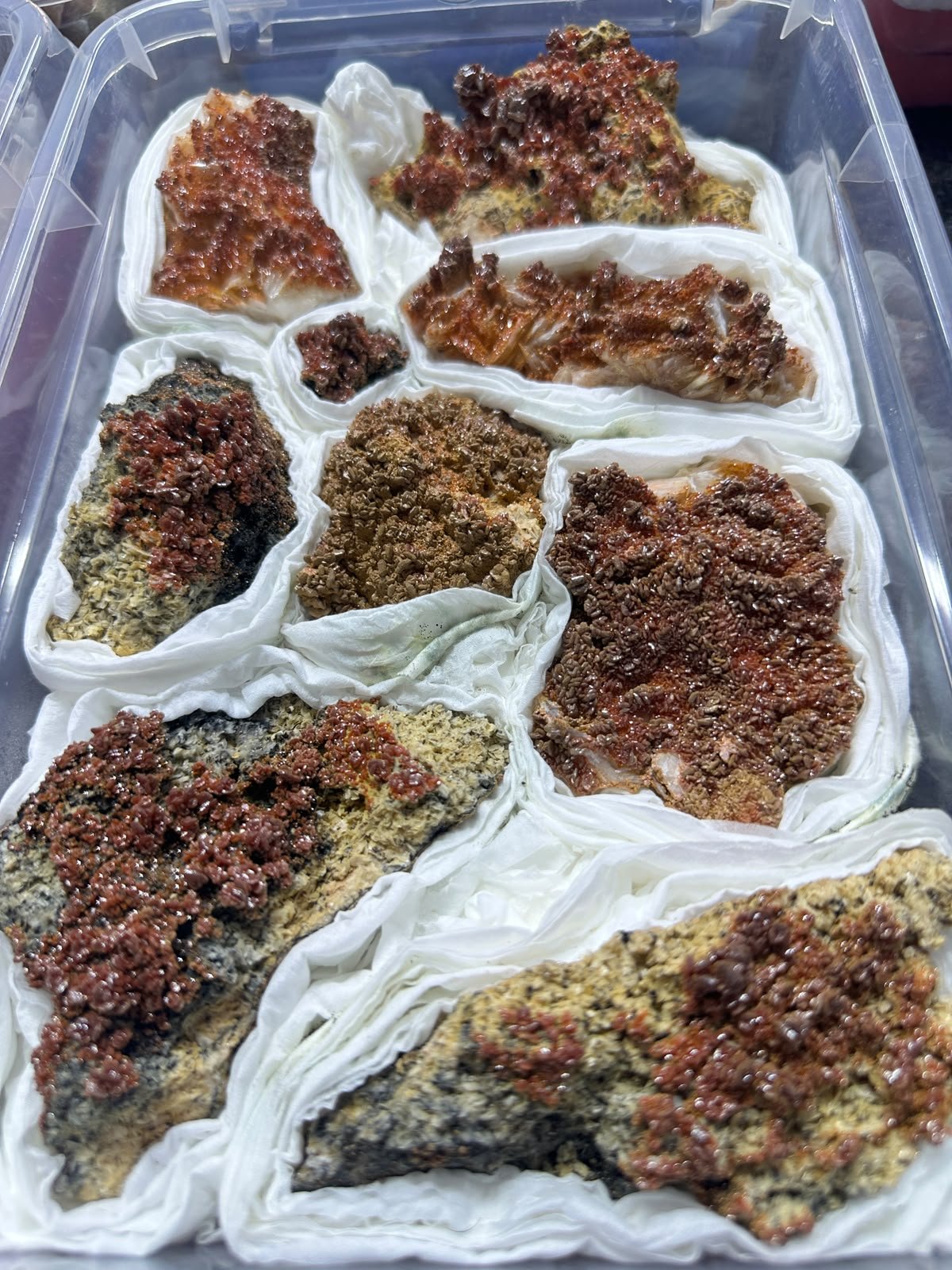
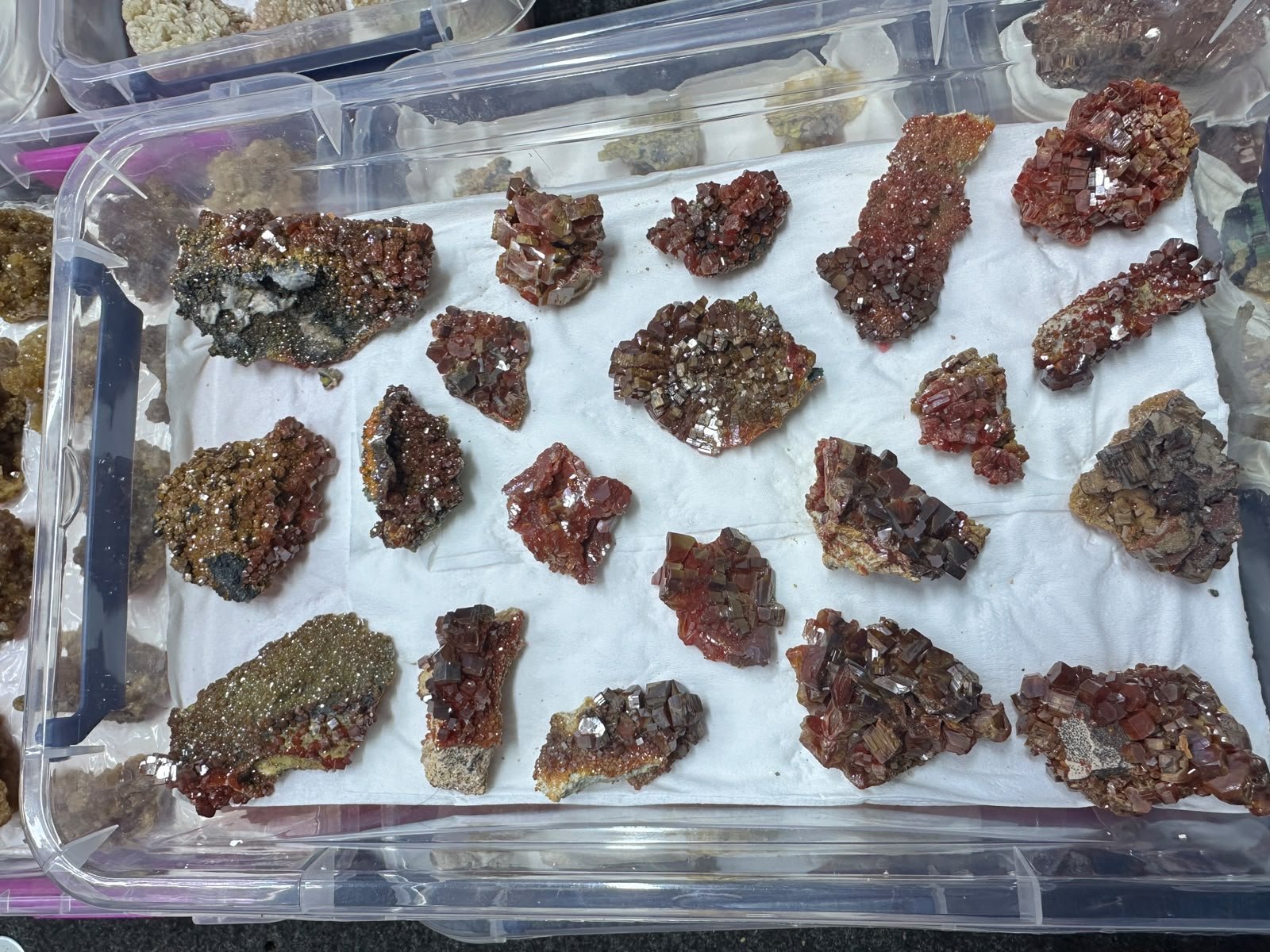
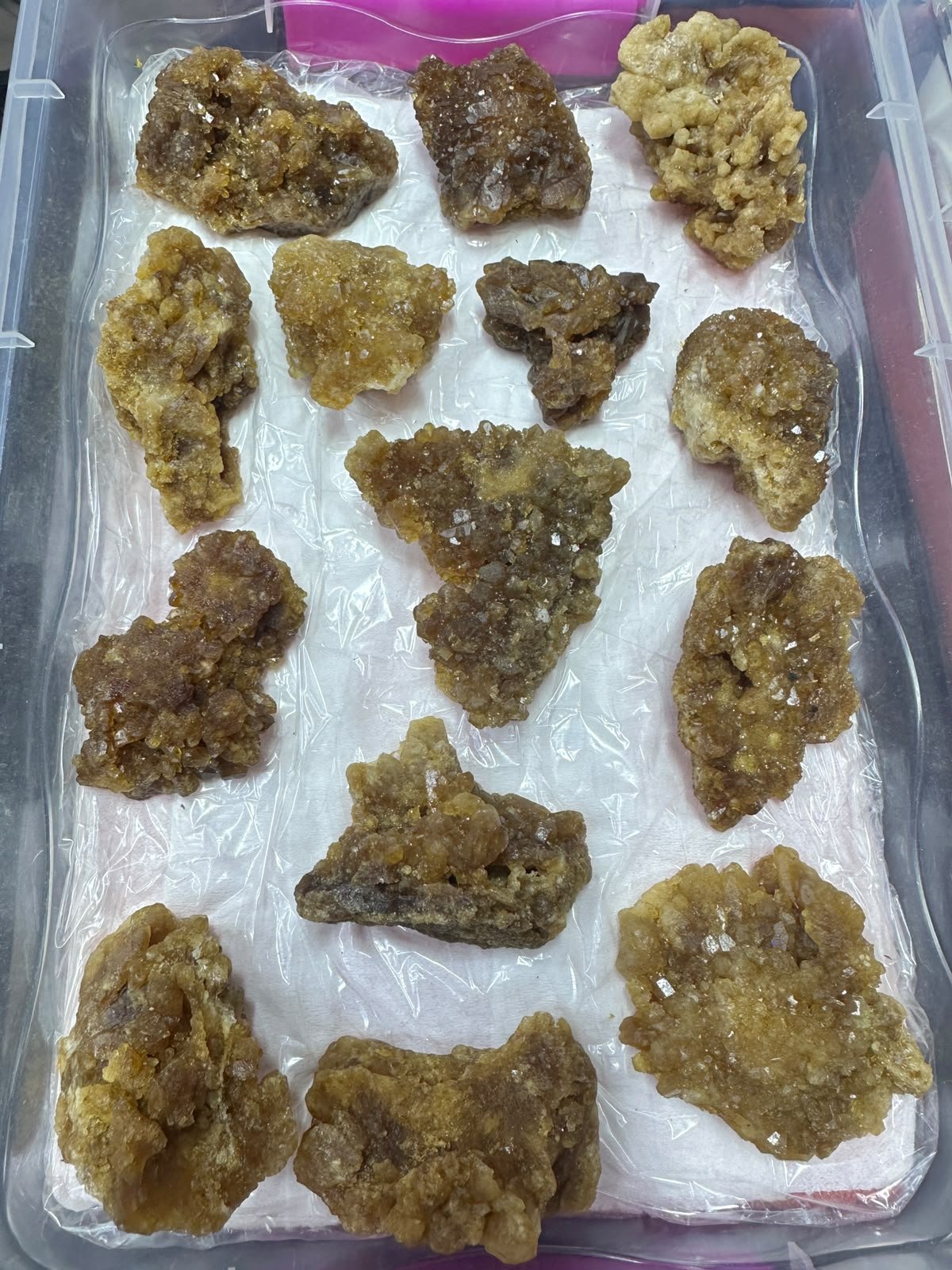
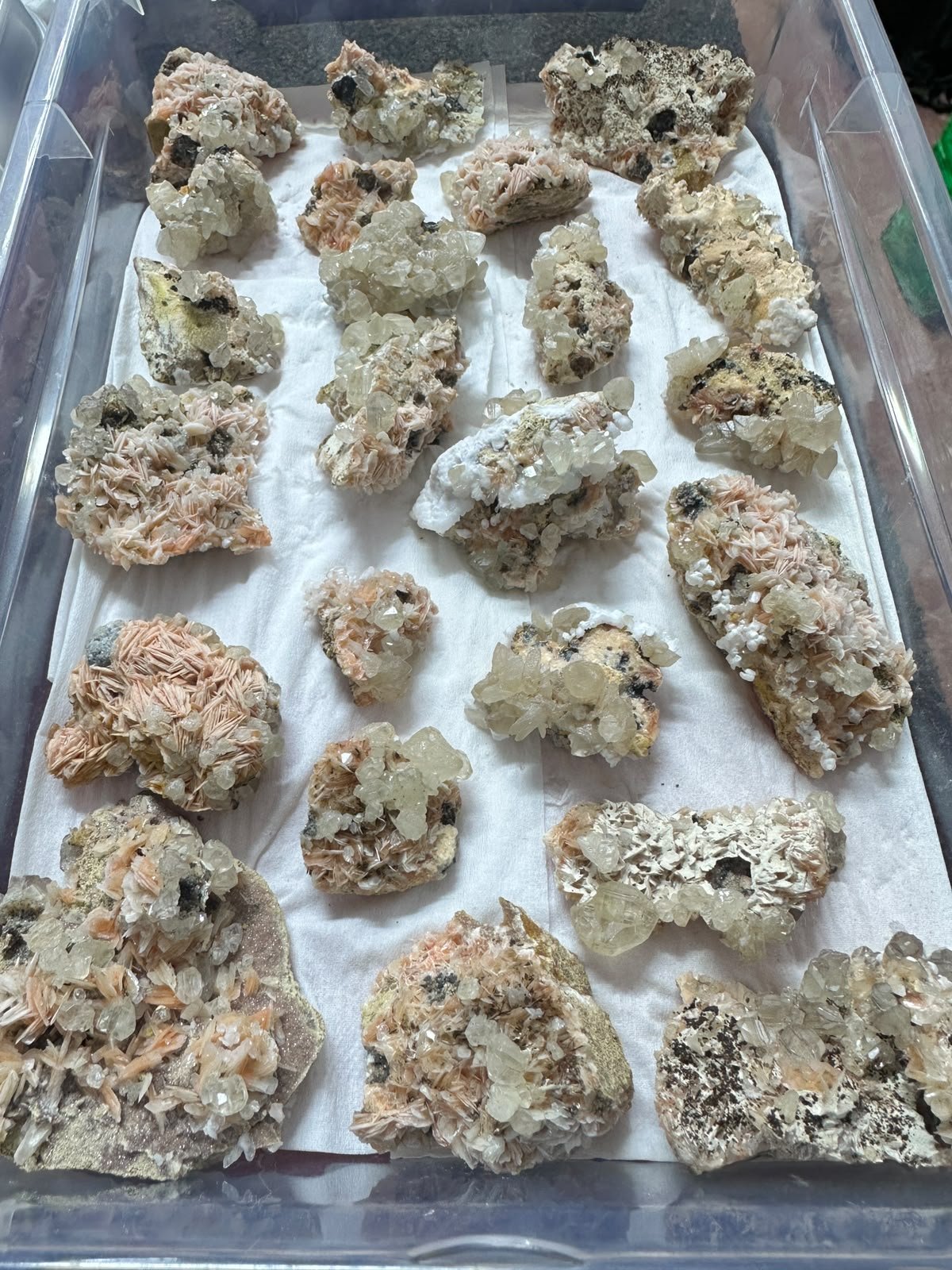
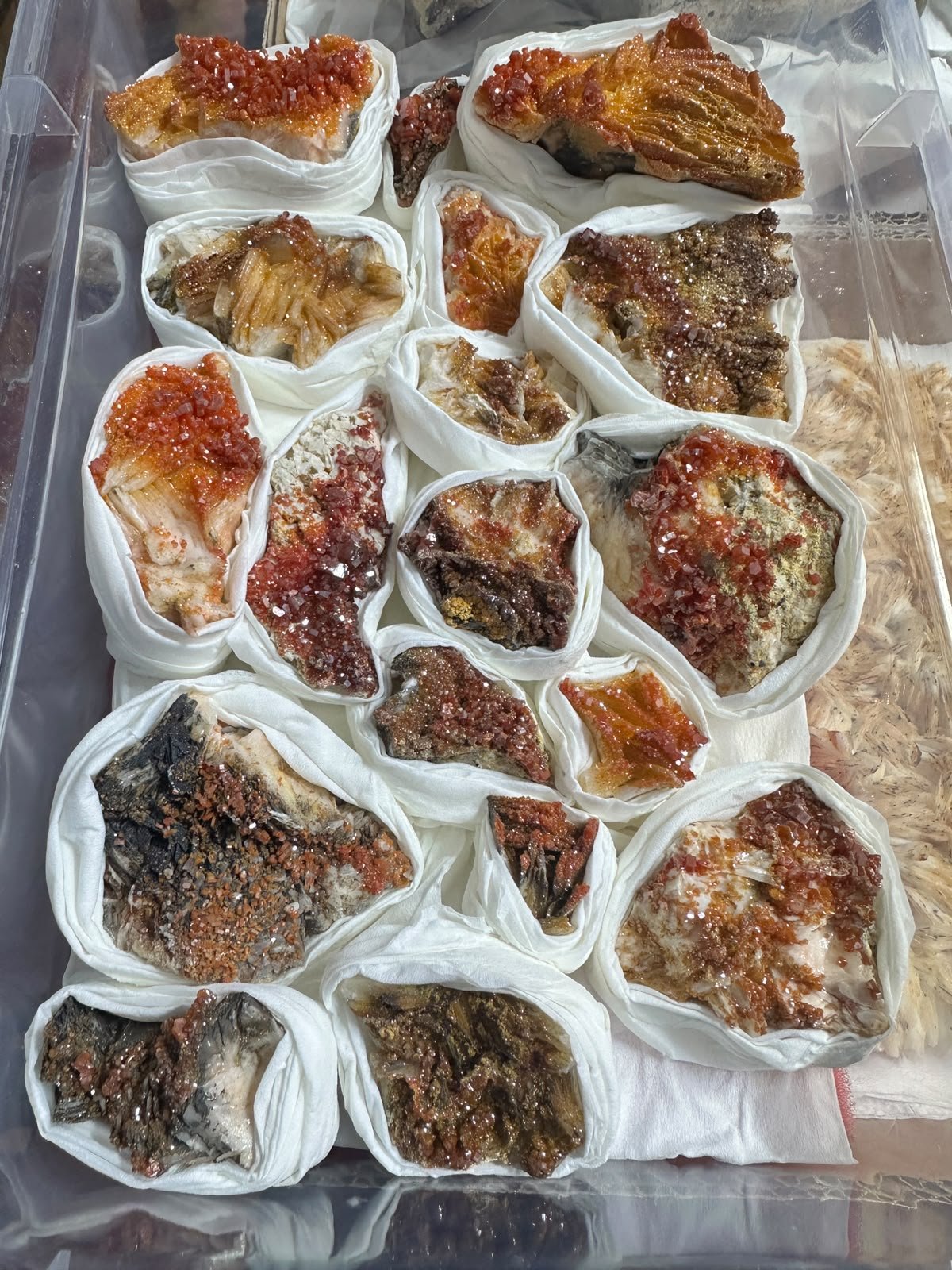
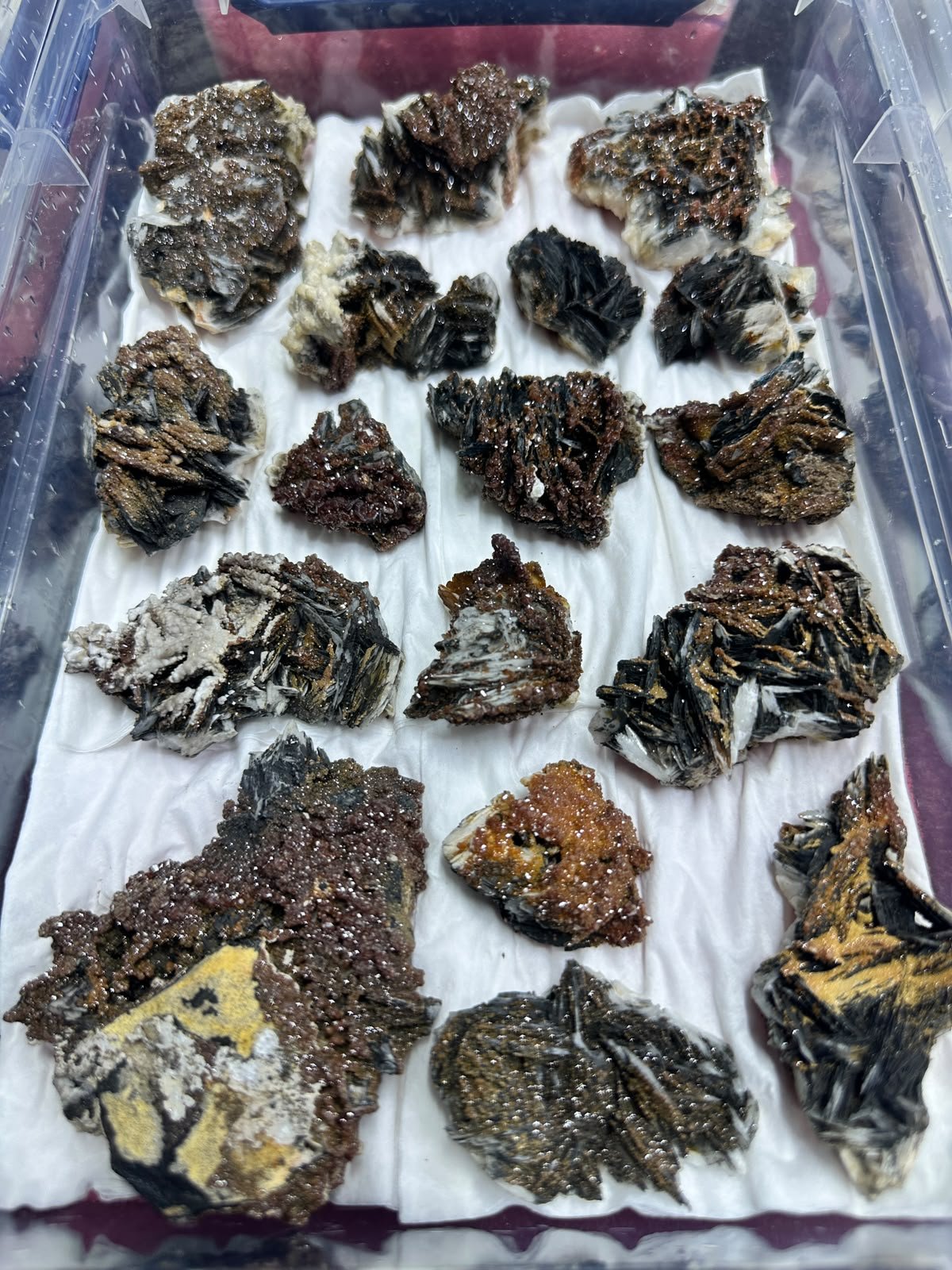
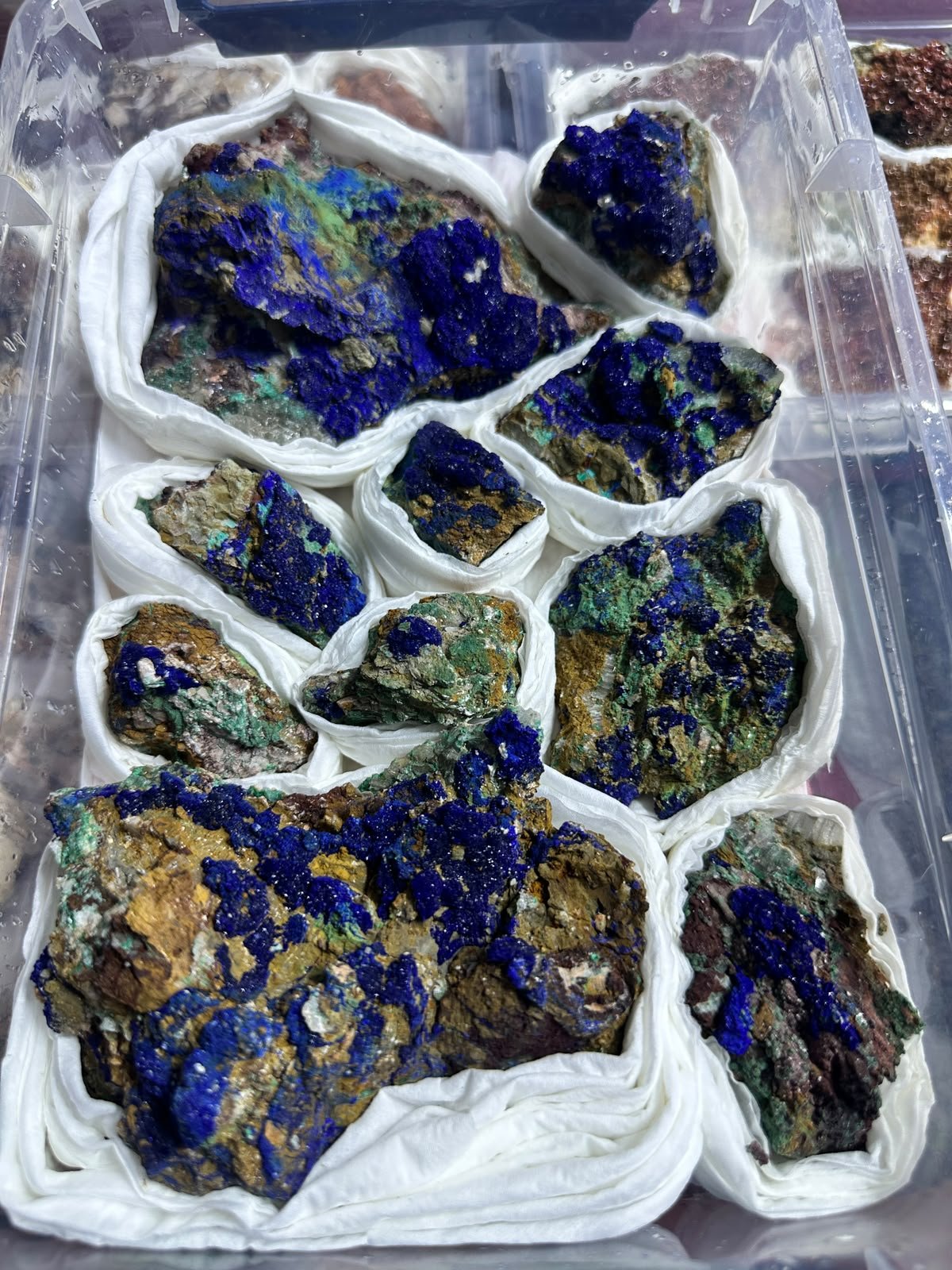
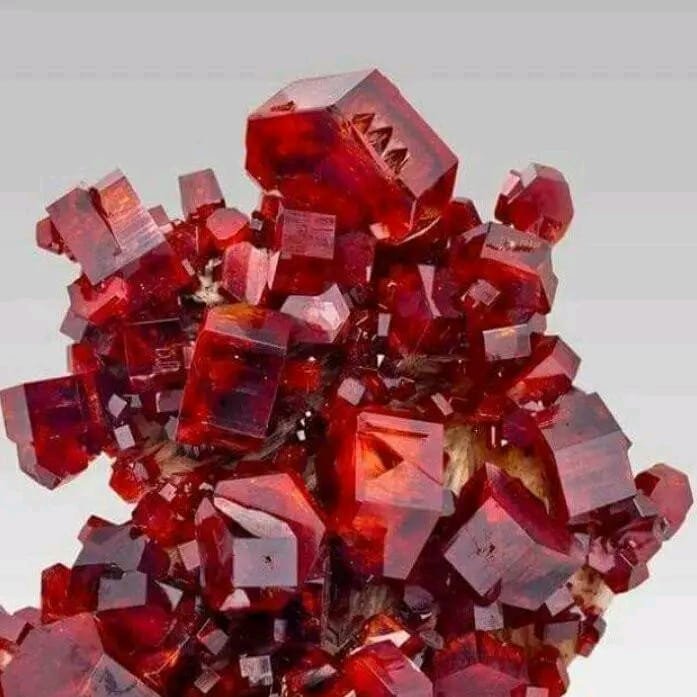
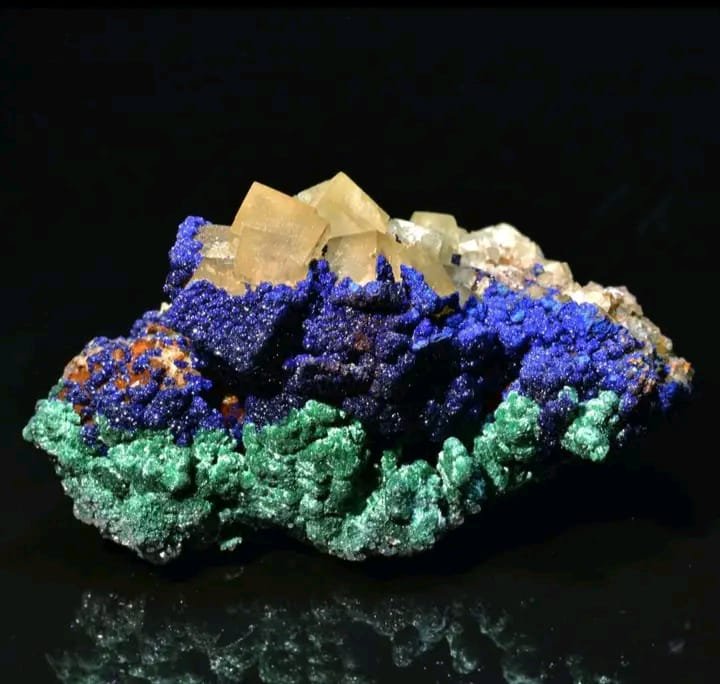
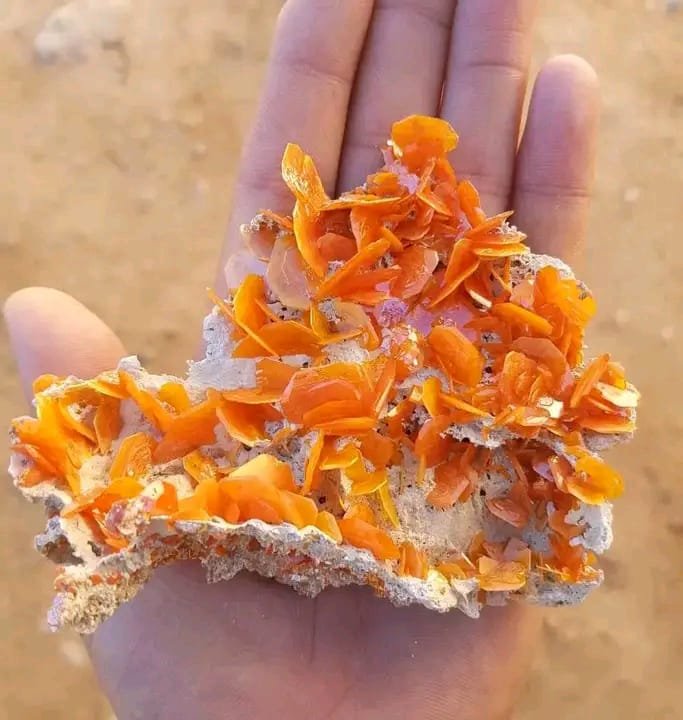
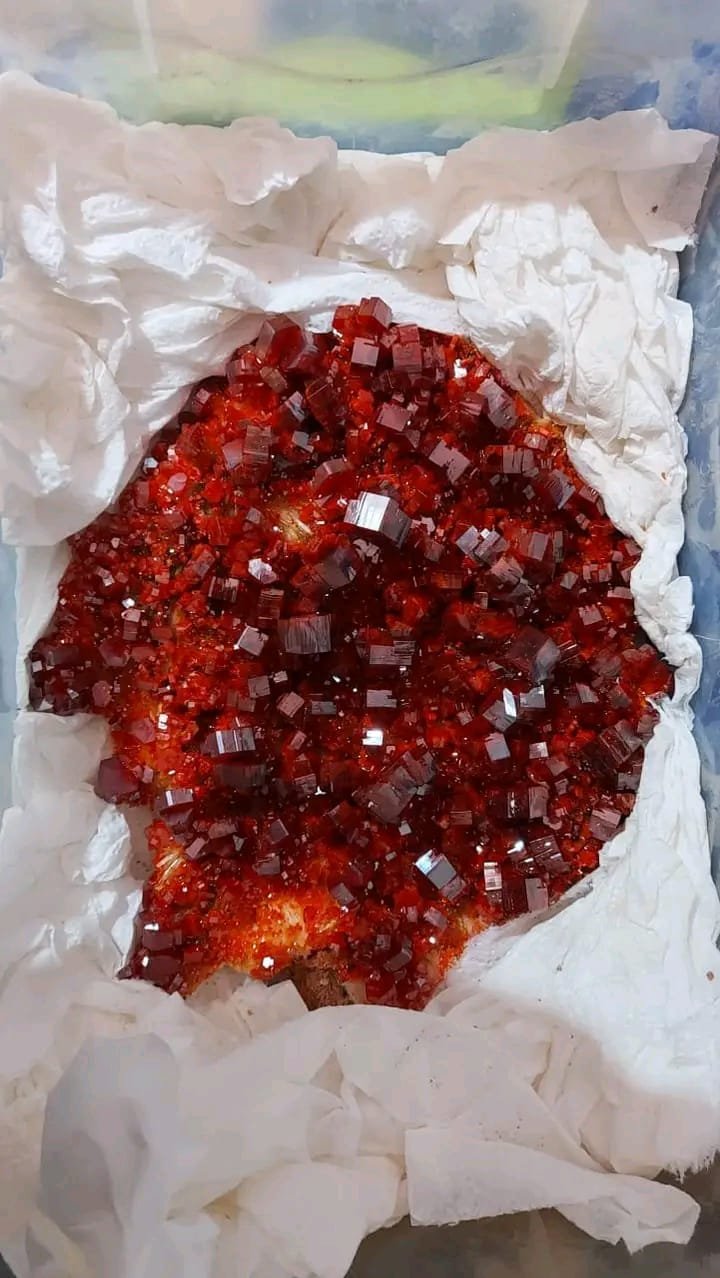
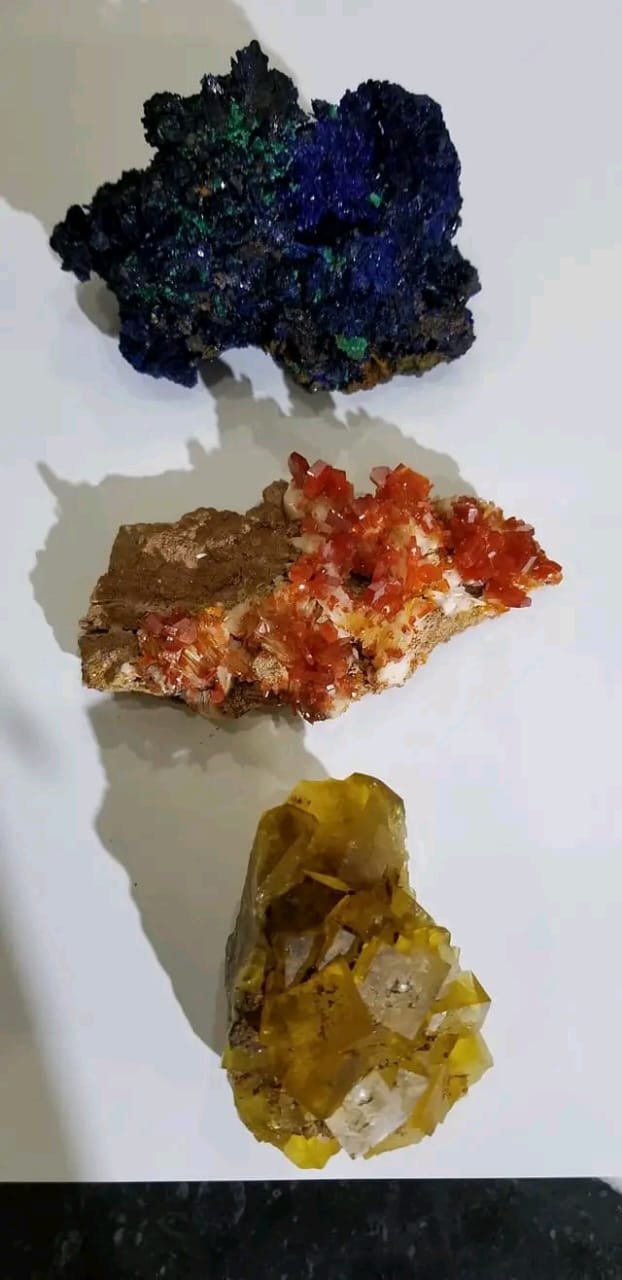
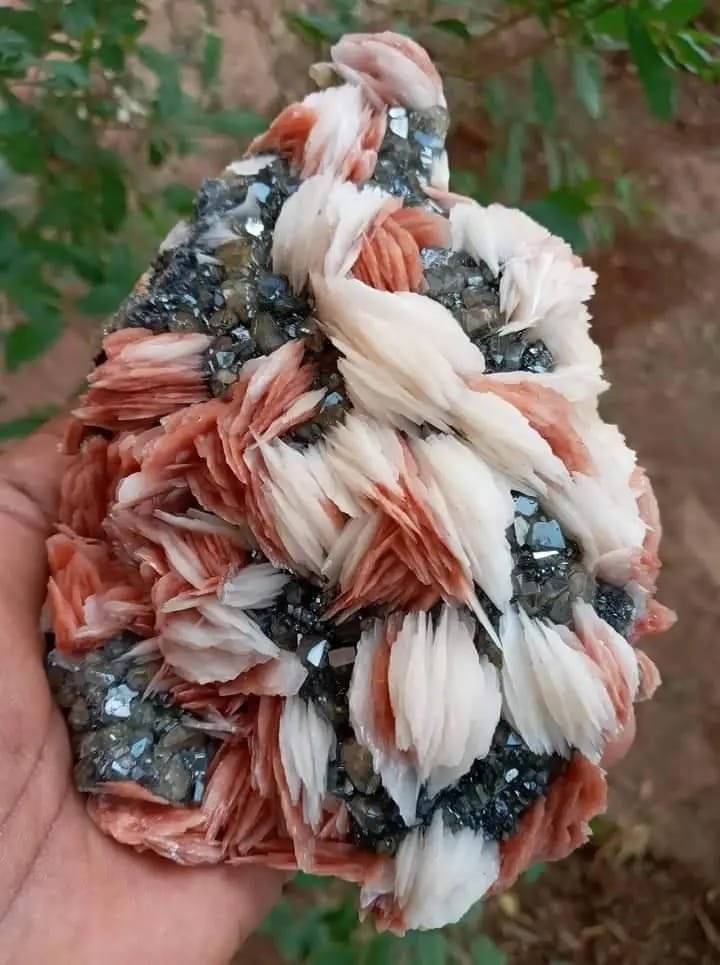
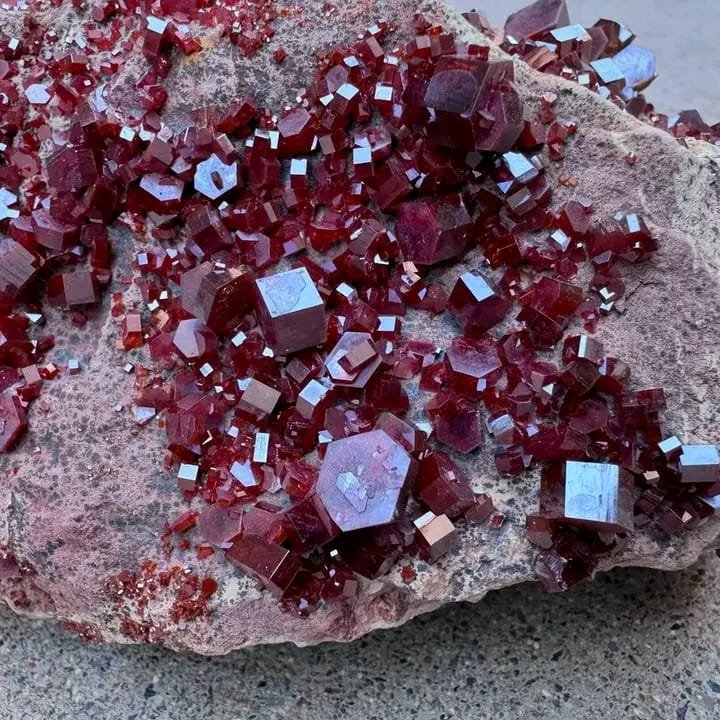
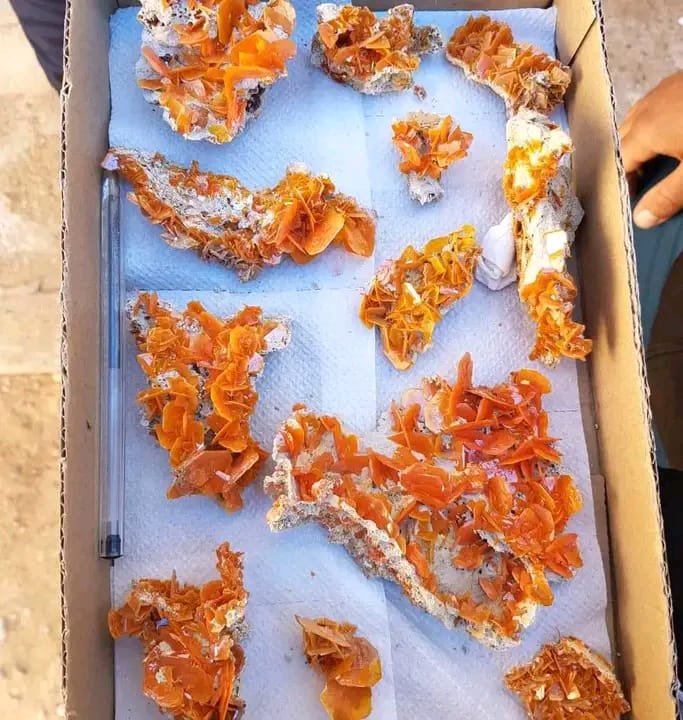
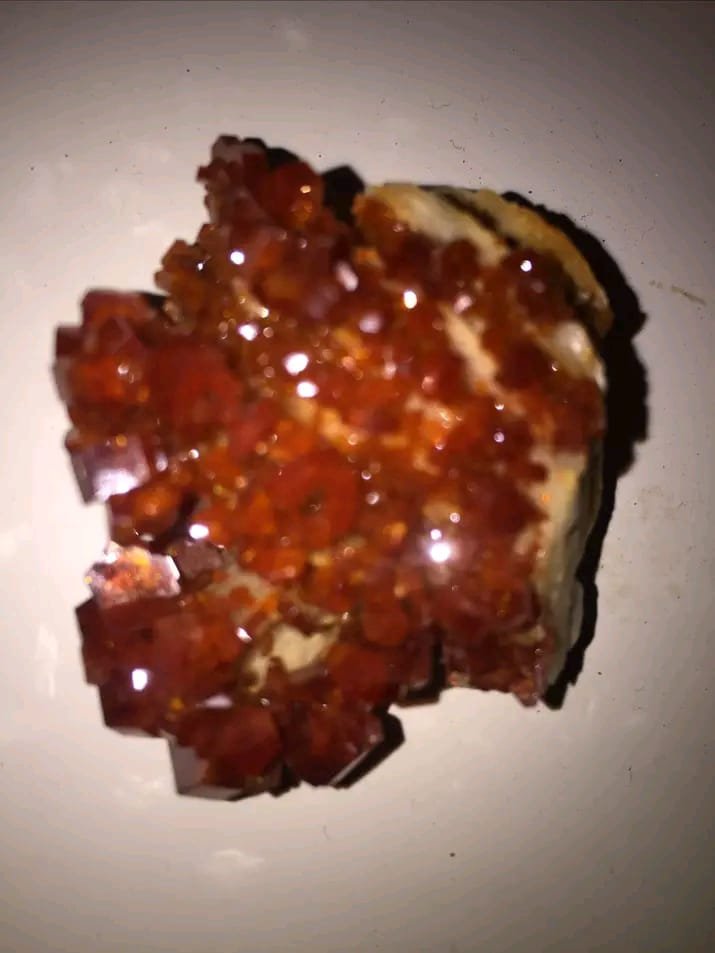
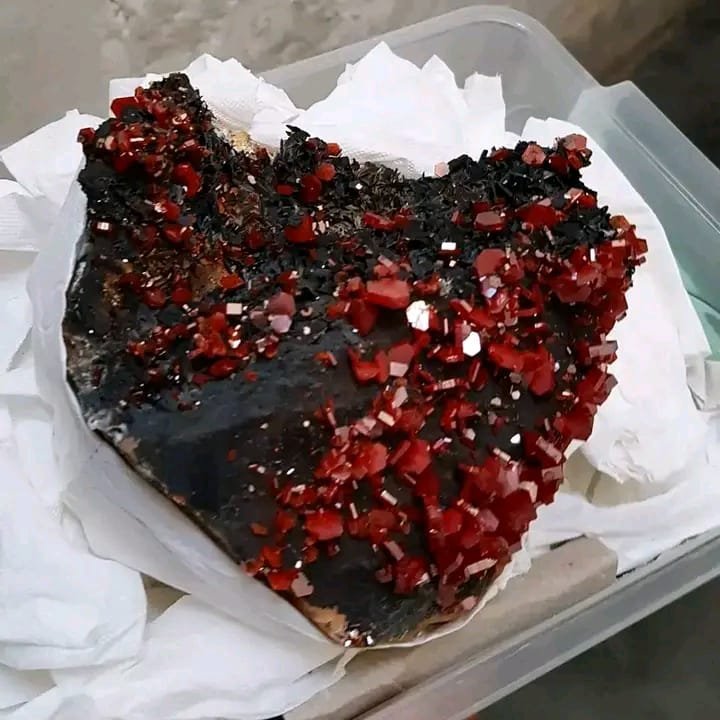
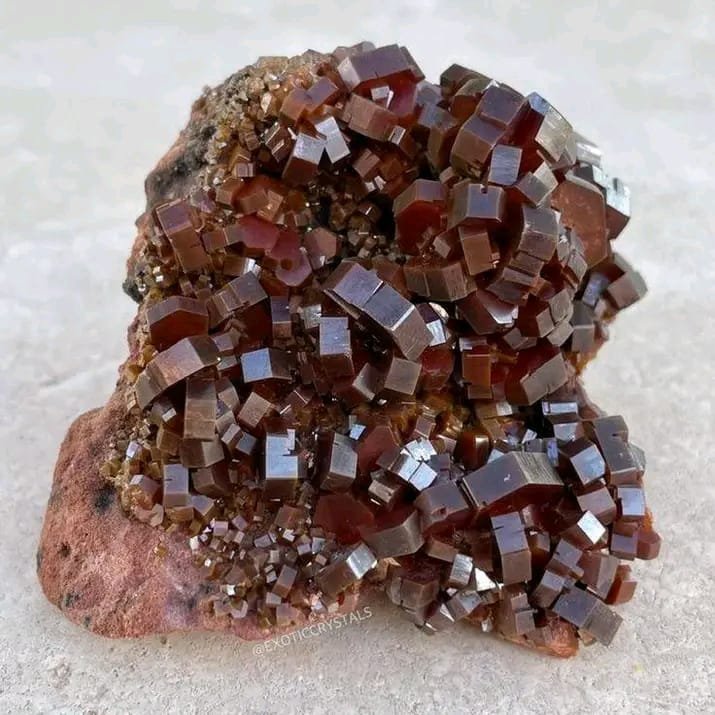
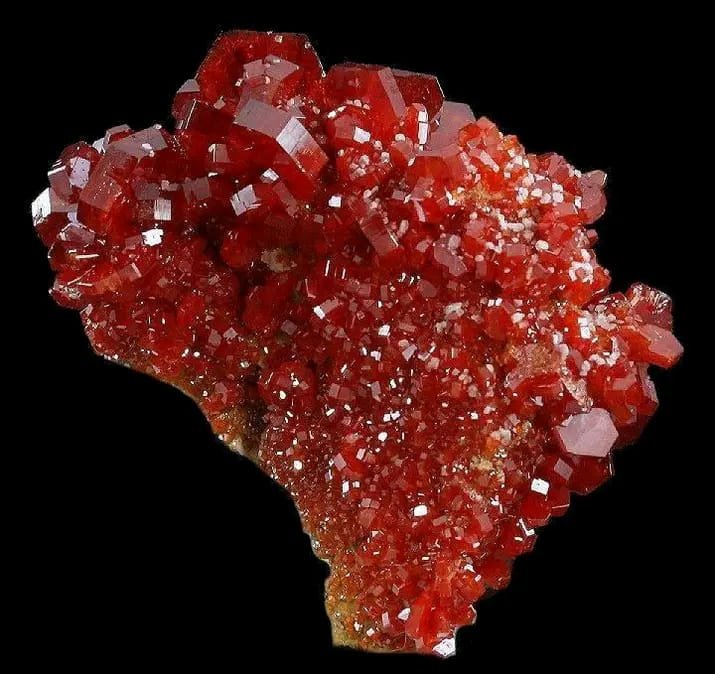
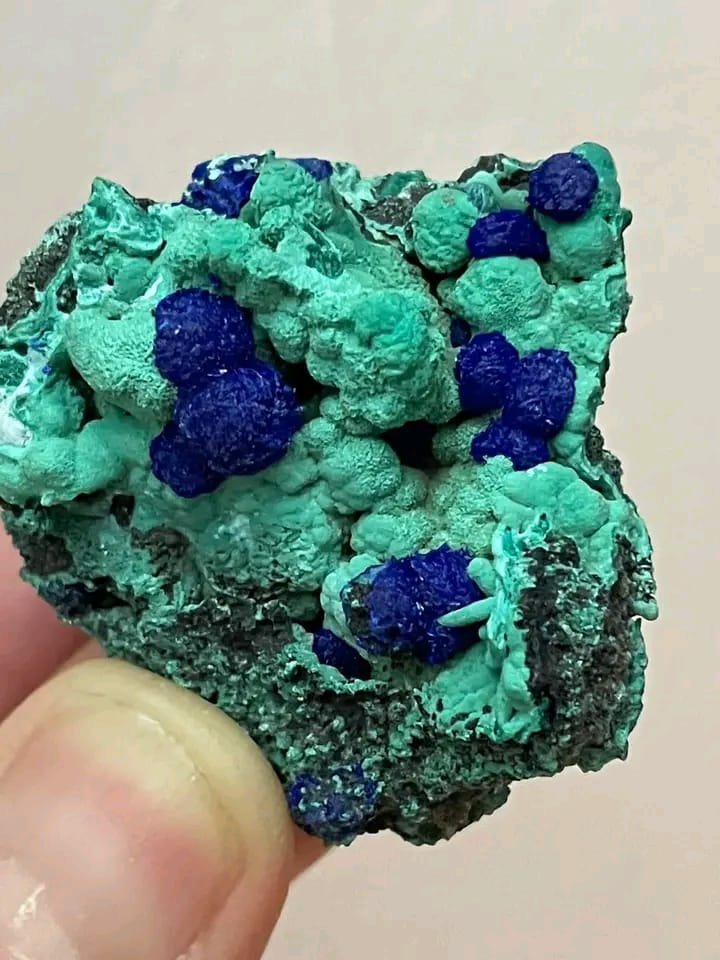
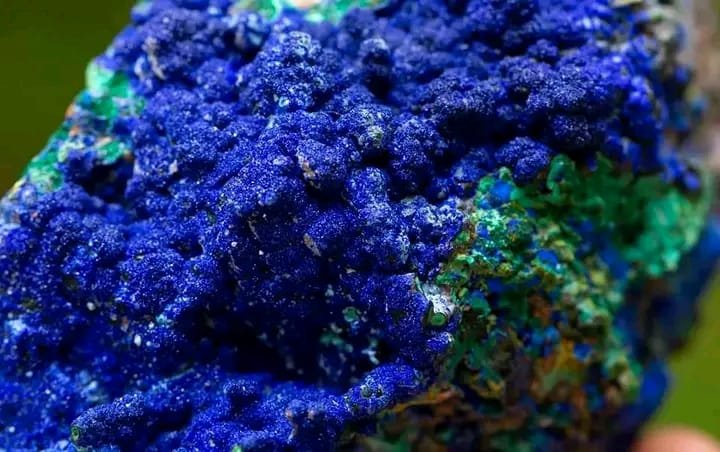
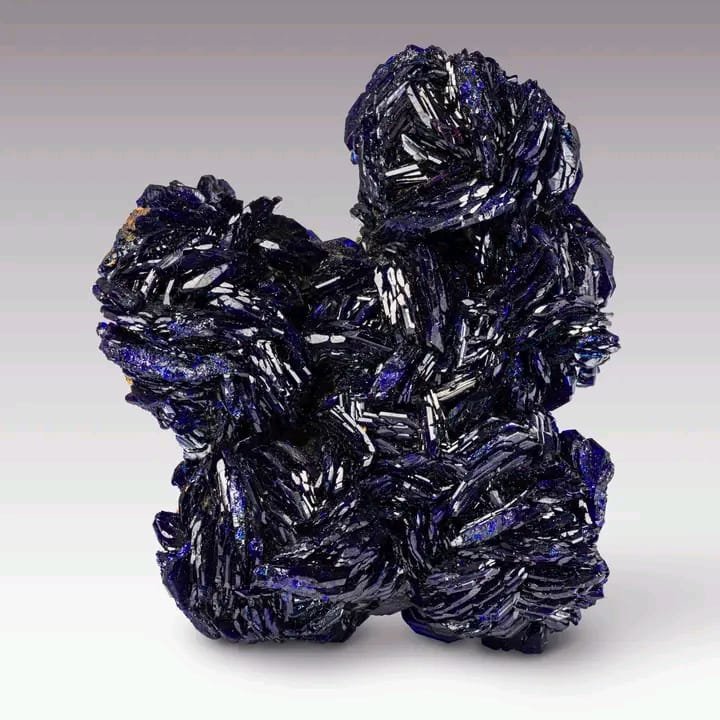
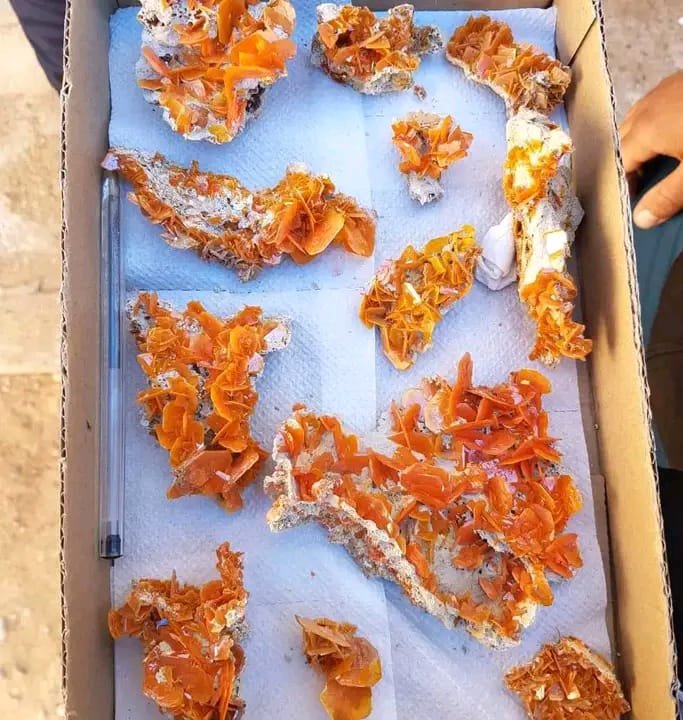
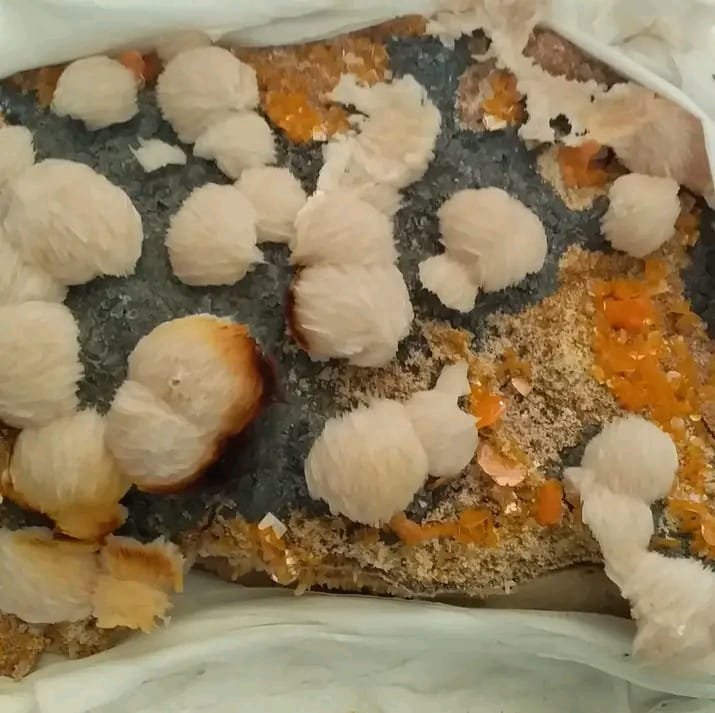
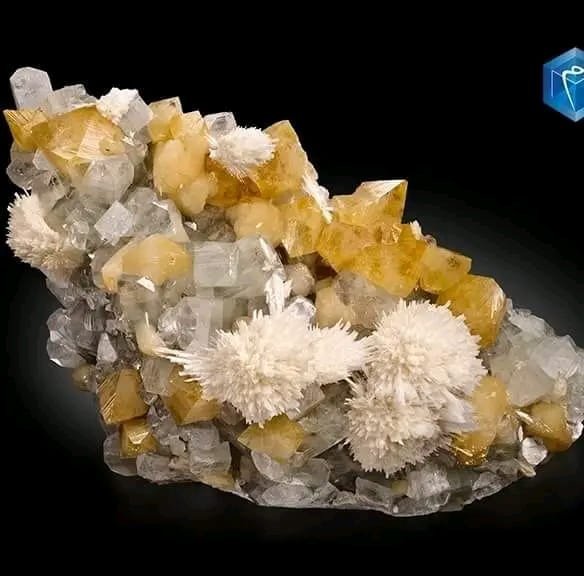
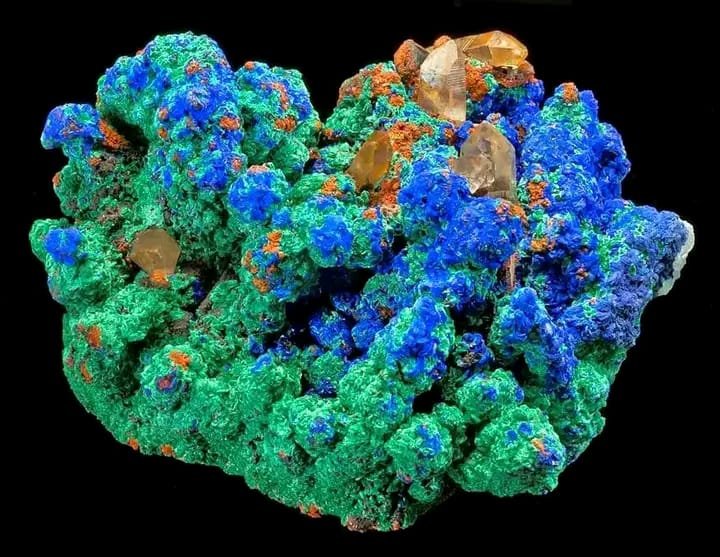
Mibladen: Located about fifteen kilometers northeast of Midelt, this is the world-renowned source of vanadinite—hexagonal crystals ranging from bright red to honey-brown, often found in association with white barite—as well as cerussite and wulfenite. Industrial lead mining ceased here in 1976, giving way to small-scale, artisanal extraction and the sale of specimens to collectors.
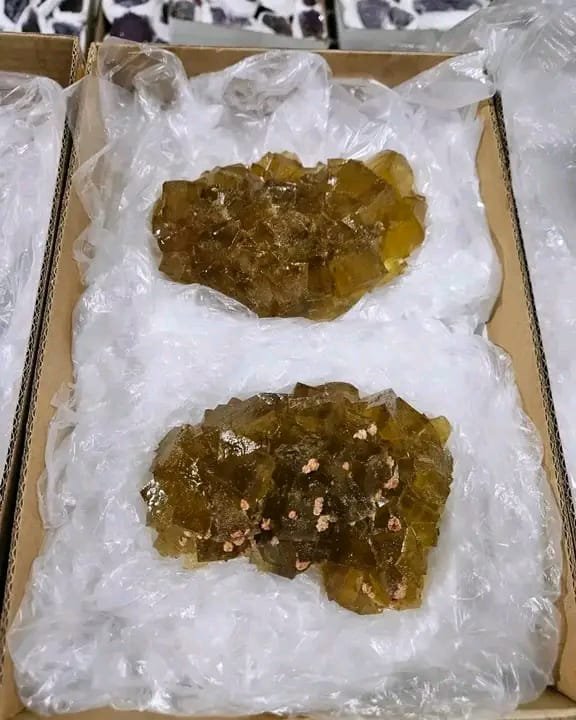
Aouli: A historic mining site established in the early 20th century (formerly exploited for lead, copper, and fluorite). The area is characterized by extensive networks of underground tunnels and the remains of French colonial-era infrastructure.
Geological setting and genesis of the mineralizations
The district of Mibladen occupies a pivotal geological position on the northern flank of the Moroccan High Atlas, at the limit of the Eastern Meseta, in an area where the terrains of the Middle Atlas and those of the Paleozoic basement meet. The landscape is made up of a set of limestone plateaus and hills which extend in a large depression oriented east-west. This configuration results from the tectonic history of the region, deeply marked by the Alpine deformations which raised the High Atlas in the Cenozoic.
Signature Minerals of the Midelt Region
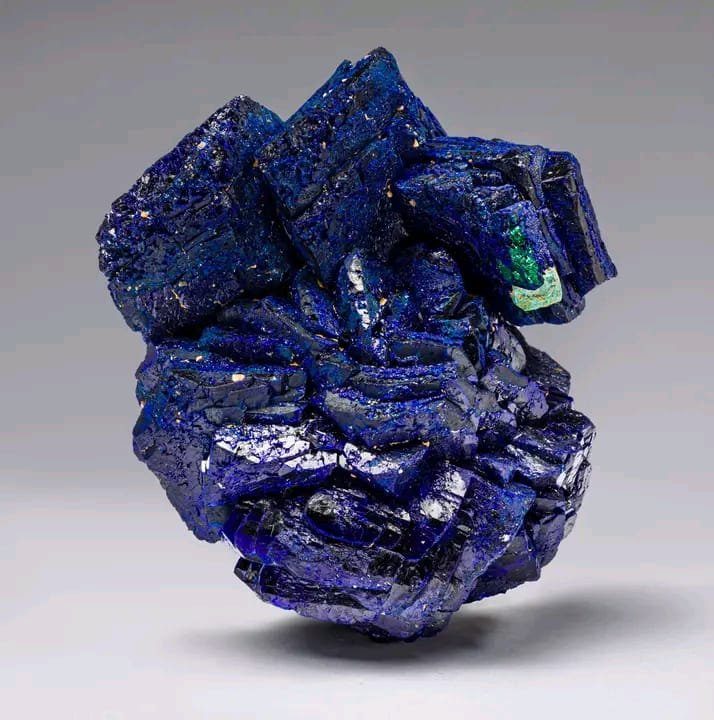
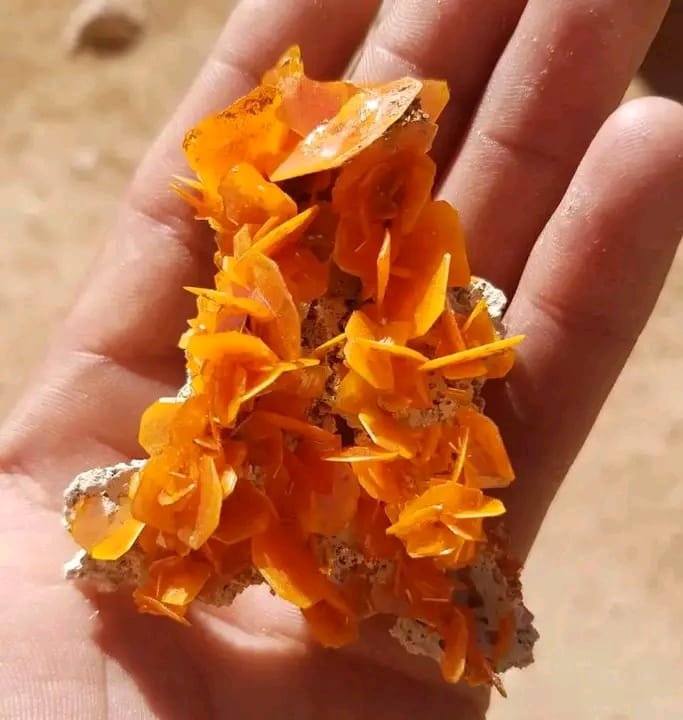
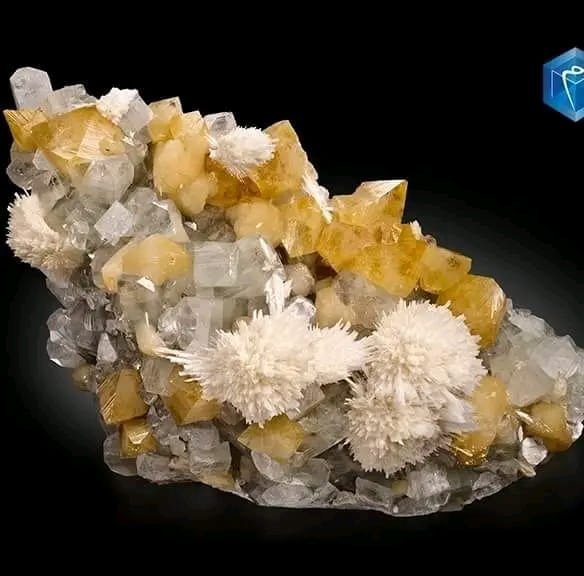
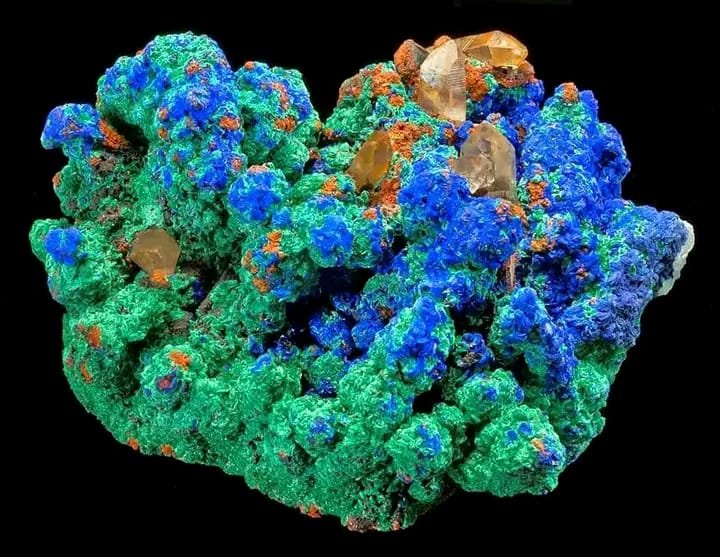
• Vanadinite: Red or orange crystals, highly prized by museums and international collectors. • Wulfenite: Orange, tabular crystals originating from deeper oxidation zones. • Cerussite: Known for its spectacular twinned crystals, which often form wheel- or star-like shapes. • Barite: Frequently present as a white or ochre-colored matrix, providing a striking contrast to the lead and vanadium-based crystals. • Fluorite and Galena (Aouli): Minerals associated with the region’s vein deposits.
HiHello , welcome to Morocco Fossils - Erfoud Stones - La Pierre D'Erfoud